Making healthy food choices for our families should be easy, but instead we are confronted by a morass of slick packaged products that lure us with their misuse of words and images. We are exposed to these food items daily and unless you have a PHD in food science, understanding the truth can be tricky and is most definitely time consuming. Yet, we do our best and hope that what is promoted on the outside, might be true on the inside.
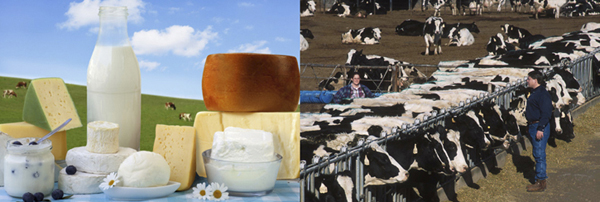
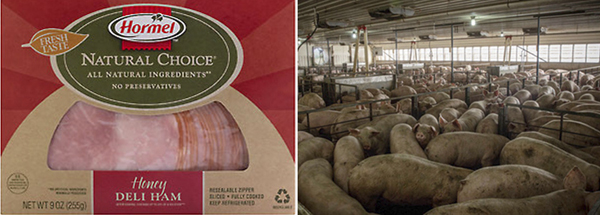
But, if we take the time to peak behind the veneer of flashy packages or images, the reality of those products become visible. For the true sustainable/organic agricultural producers, most all of the words that separated us from the non-sustainable/organic producers have been hi-jacked. We are left with having to explain what and who we are with more words, an explanation for the explanation, for the explanation.
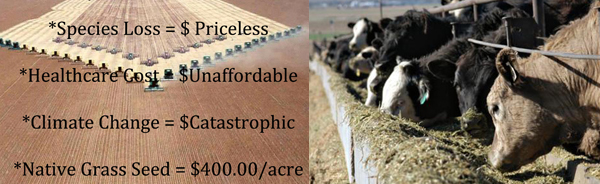
Another surprise is that over 70% of our crop agriculture is raised to produce feed for confined cows. This greatly alters the nutritional value of the food, as well as disrupts the balance of the eco-system, and reduces or eliminates habitat for other flora and fauna.

These costs, along with the subsidized crop costs, fuel costs, and human health costs, are big losses and they are hidden behind the veneer of cheap food. These REAL costs incurred by us all, are not sustainable, they will eventually catch up with us, and someone down the road will have to pay.
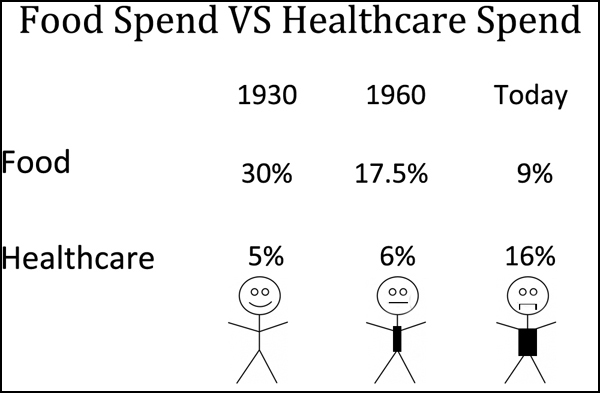
One of the best preventive medicines is to consume a healthy diet, but the reality of making healthy food choices is no longer easy. We are going to have to take matters into our own hands and go back to our old Paleo ways of hunting and gathering, not literarily of course– but we may have to move away from the “one stop shop” and seek out sustainable farmers that are raising their animals or crops ethically and sustainably.
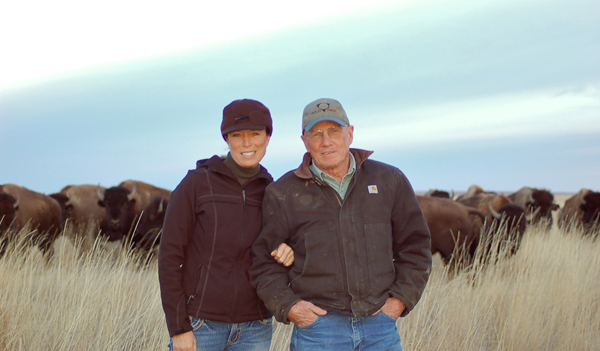
This might cost us more but, nutritionally, delicious, sustainably raised foods should cost more, as they do not come with an IOU. It may also take a little time initially to find and know your farmer/rancher, but once established you will find that you not only have a food supplier, but a friend that cares about what you eat too and will insure that you are getting what you pay for.
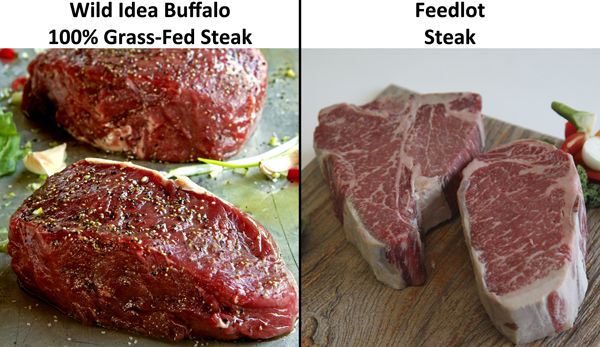
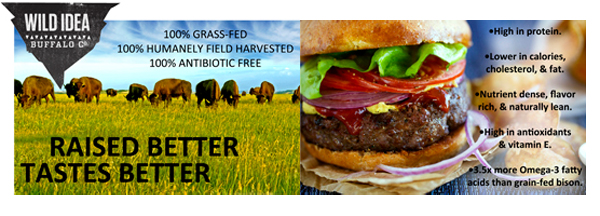
We too struggle with finding “other” sustainable foods. There are many guides in local communities that can help direct you to sustainable producers and there are also some nationally. A go-to guide for us is eatwellguide.org. Most often though, we learn about sustainable suppliers through word of mouth, so….. if any of you feel like giving Wild Idea Buffalo Company a shout out as your favorite sustainable producer of premium buffalo products, we would really appreciate it! Cheers to your health! Jill
Comments 1
Love your site. The two of you look much healthier and happier than the typical human at the local mall.